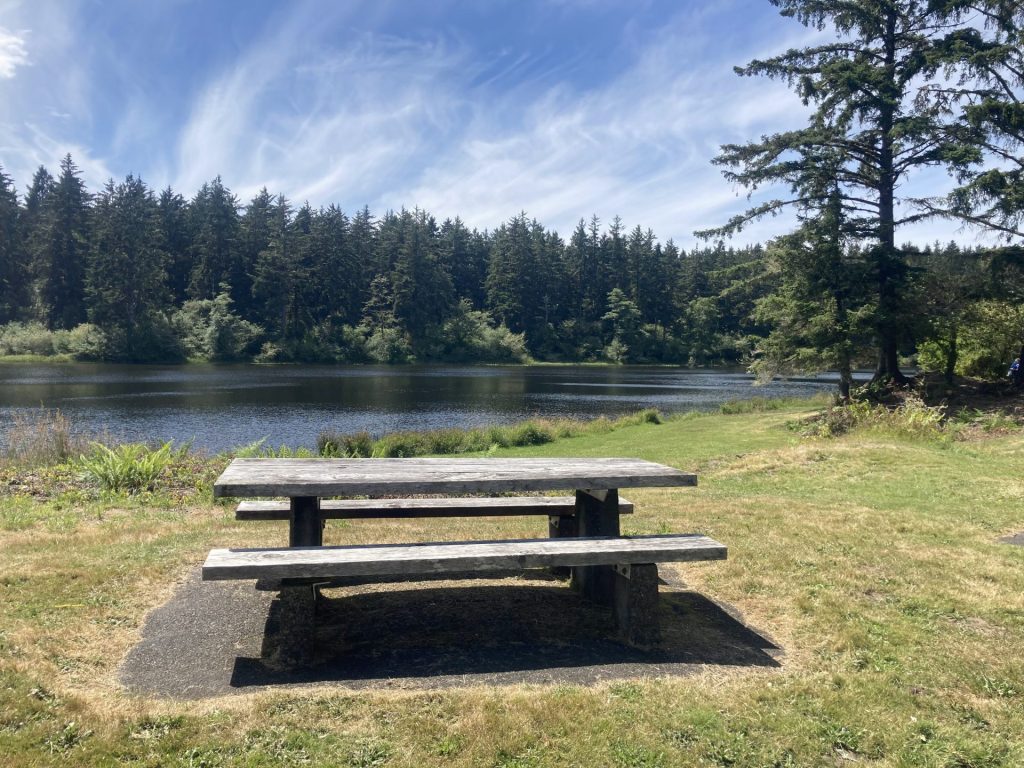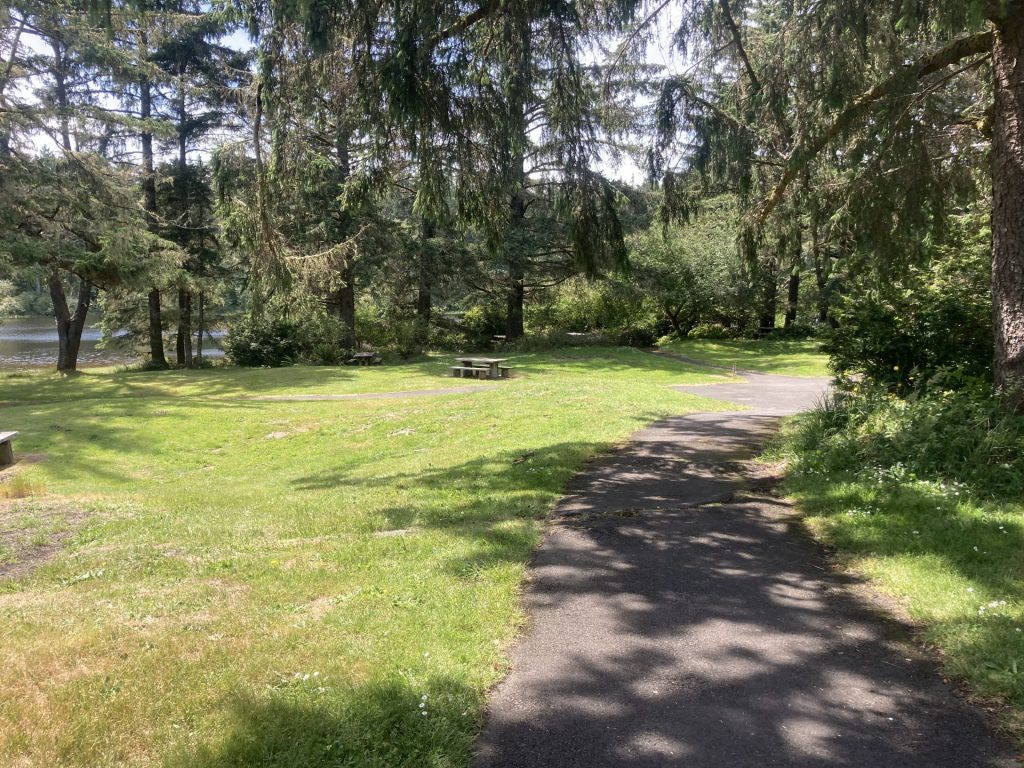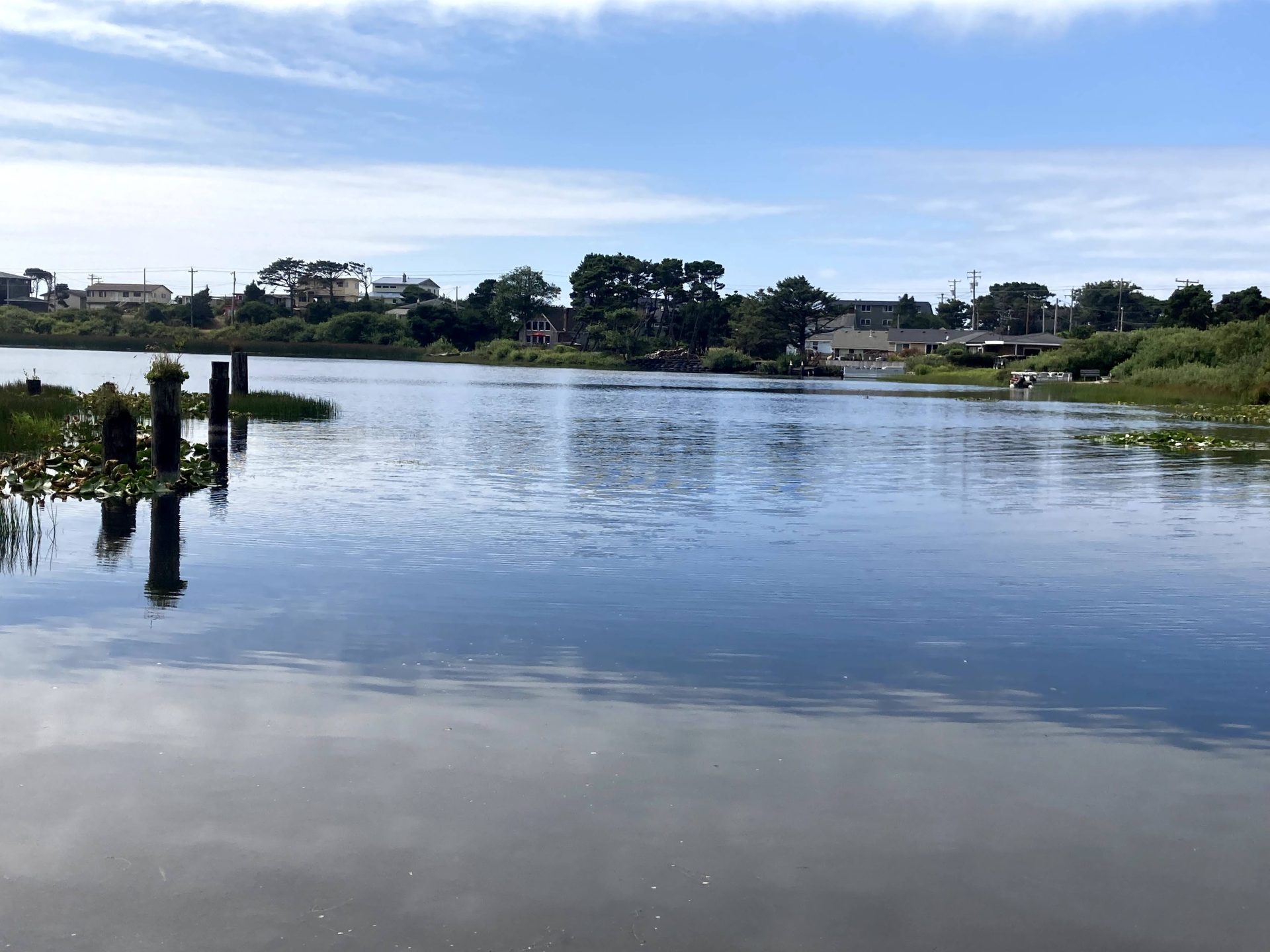
Eel Lake

Skip ahead to check conditions

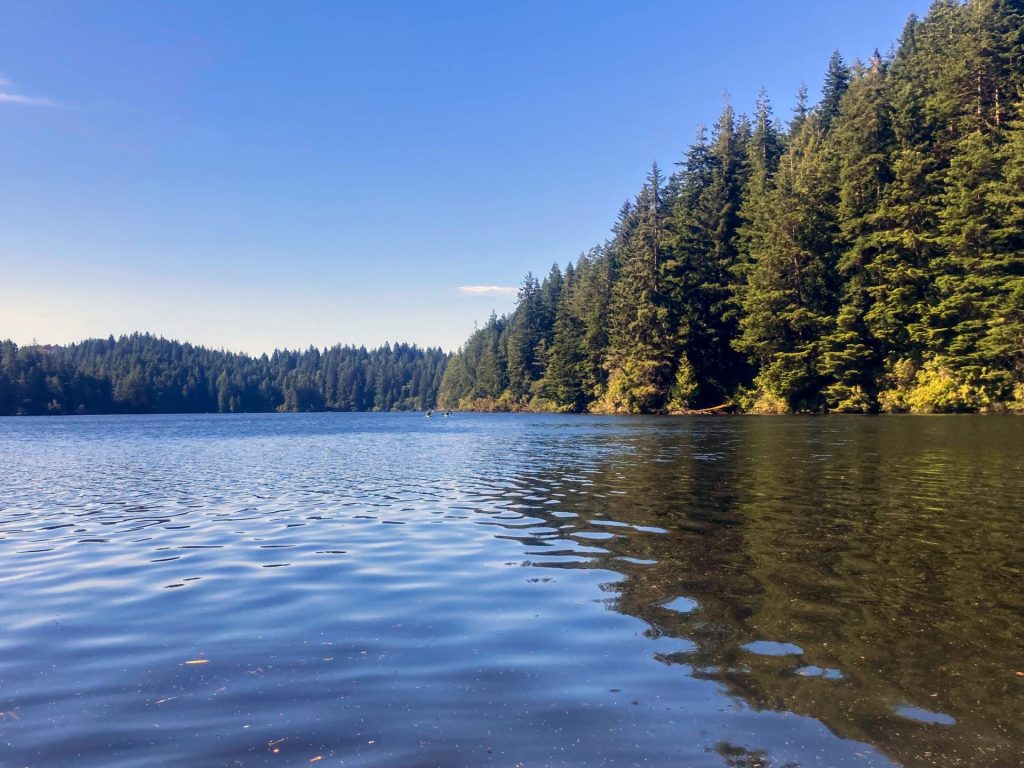
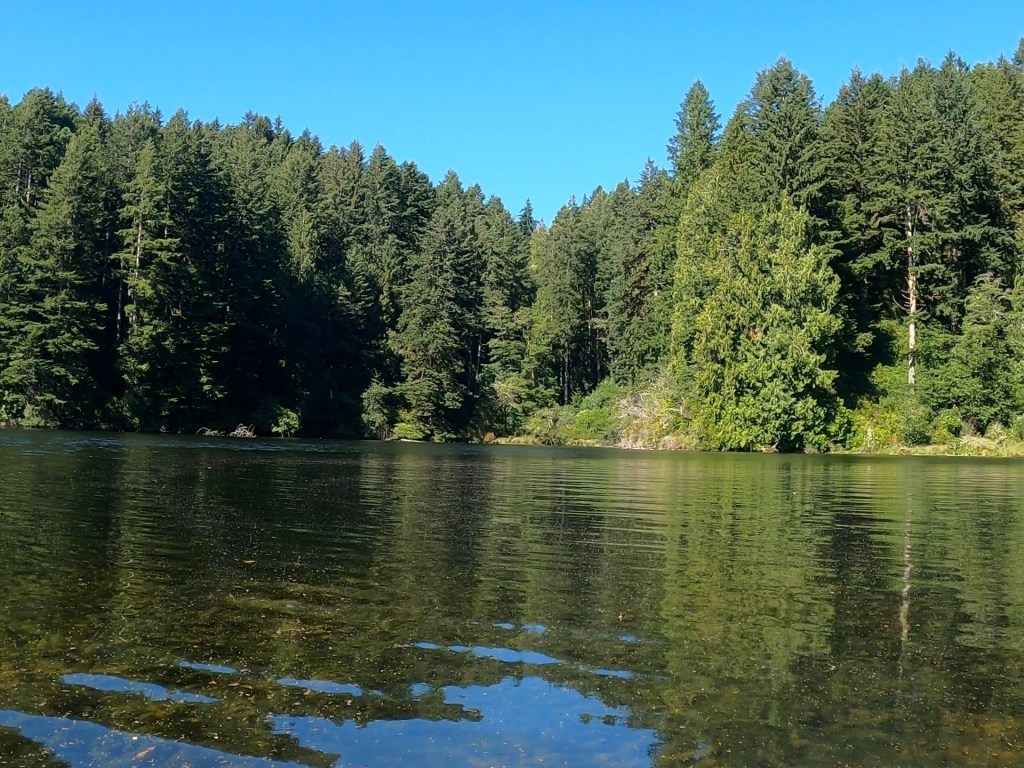
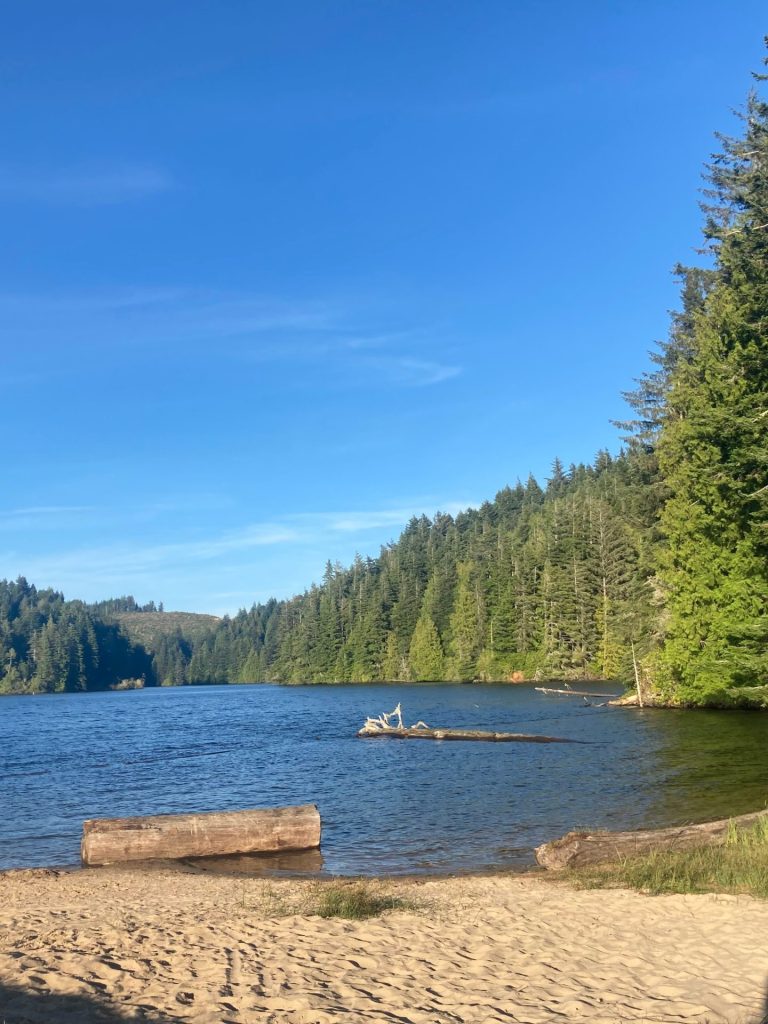
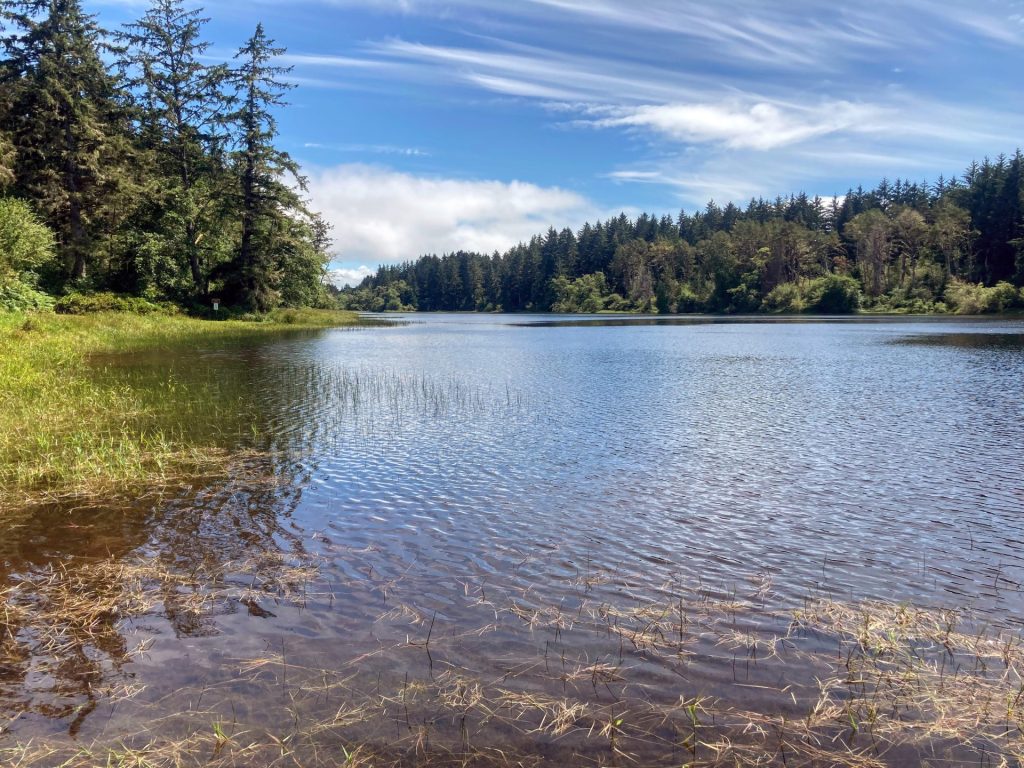
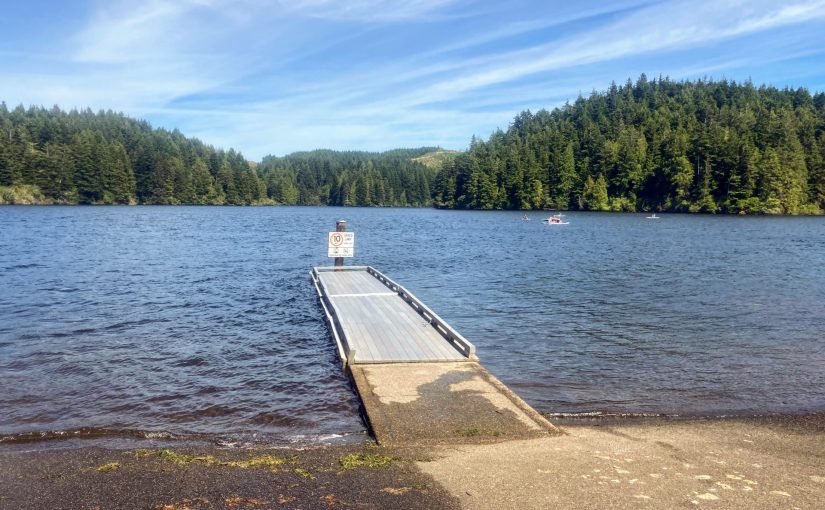
Eel Lake is a 347-acre coastal lake near Reedsport that is made up of two long and deep arms outlined by the forested slopes of the Coast Range. There is no need to dodge speeding boats or consult tide tables for this one. It is actually the largest coastal lake in Oregon where there is a 10mph speed restriction for the entire lake. And there are about 11 miles of undeveloped forested shoreline to explore on these clear waters.

This is a beginner-friendly lake under most conditions. The main limitation for paddlers would be the strong winds that can start as early as noon. You may be able to use it to your advantage, however, to assist on your return (for winds coming from the north in the summertime). There are also plenty of coves to duck into to avoid the stronger gusts and provide some interesting exploration.

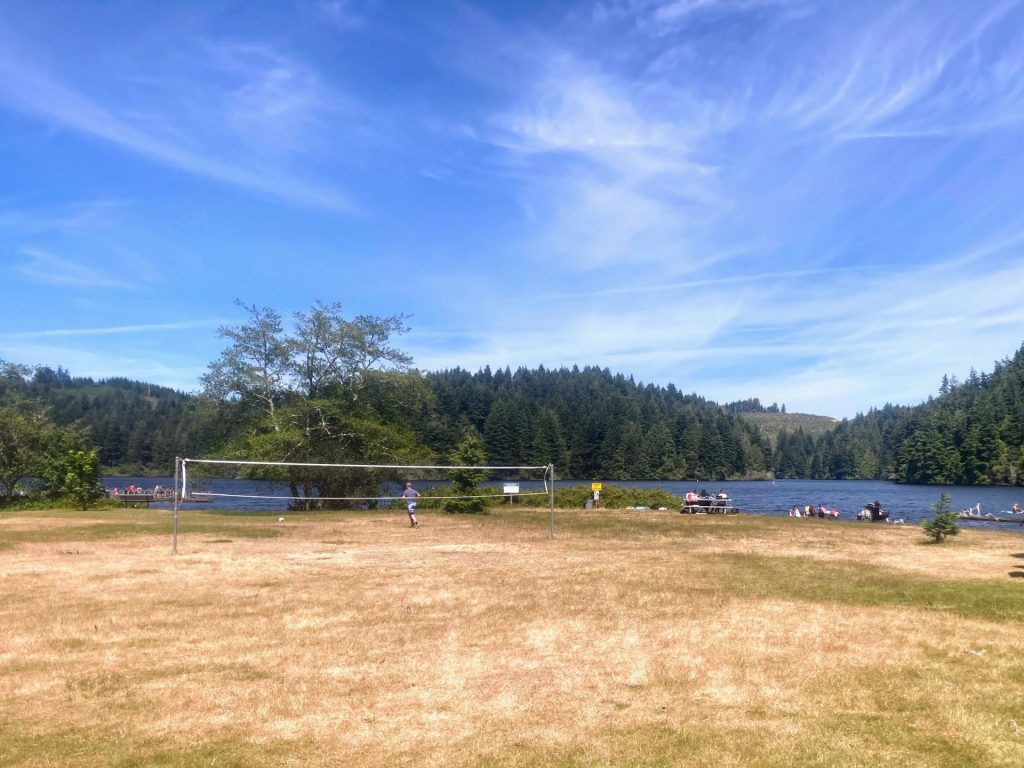
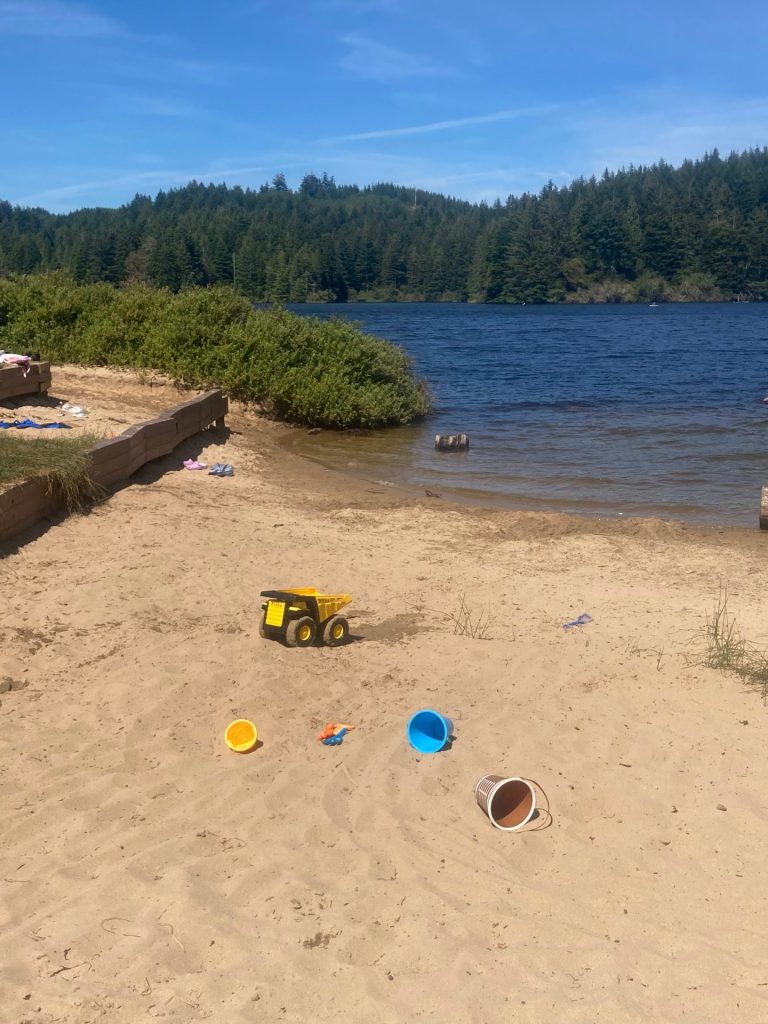
This is also a family-friendly location due to all of the amenities at the Tugman State Park Day Use Area. There are restrooms, a swimming beach, large grassy area for picnics and games, and a playground.

  • Length: ~3 mi RT left arm, ~5 mi RT rt arm
  • Paddle Time: ~1h 12min left arm, ~ 2H + rt arm*
  • Parking fee: free
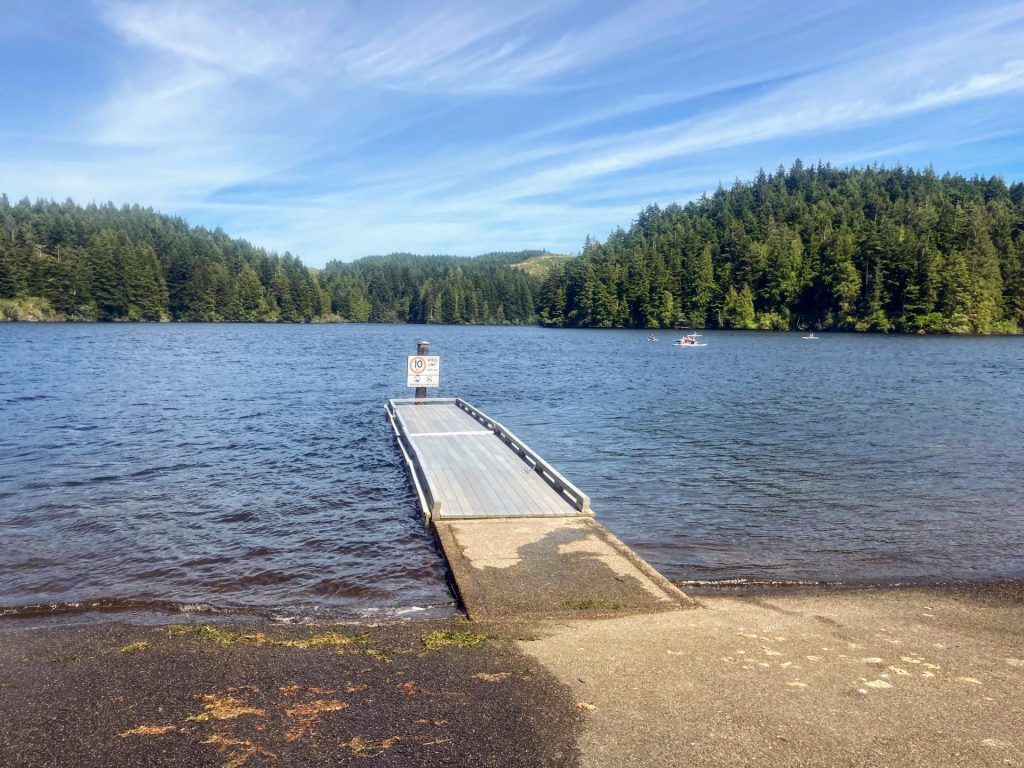
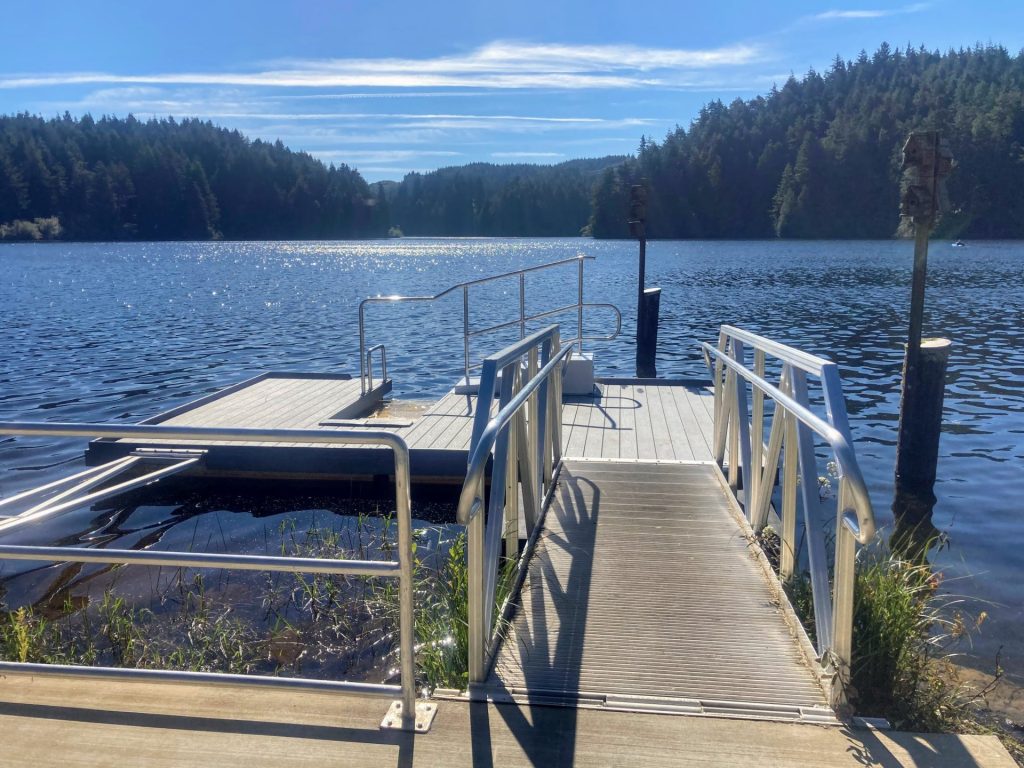
  • Launch: boat ramp, ADA accessible kayak launch, shore
  • Restroom: flush
  • Cell signal: fair

*Time is roughly based on leisurely paddling pace of 2.5mph. Wind, current, equipment, and paddler’s fitness and motivation can change this estimate.

Good to know:

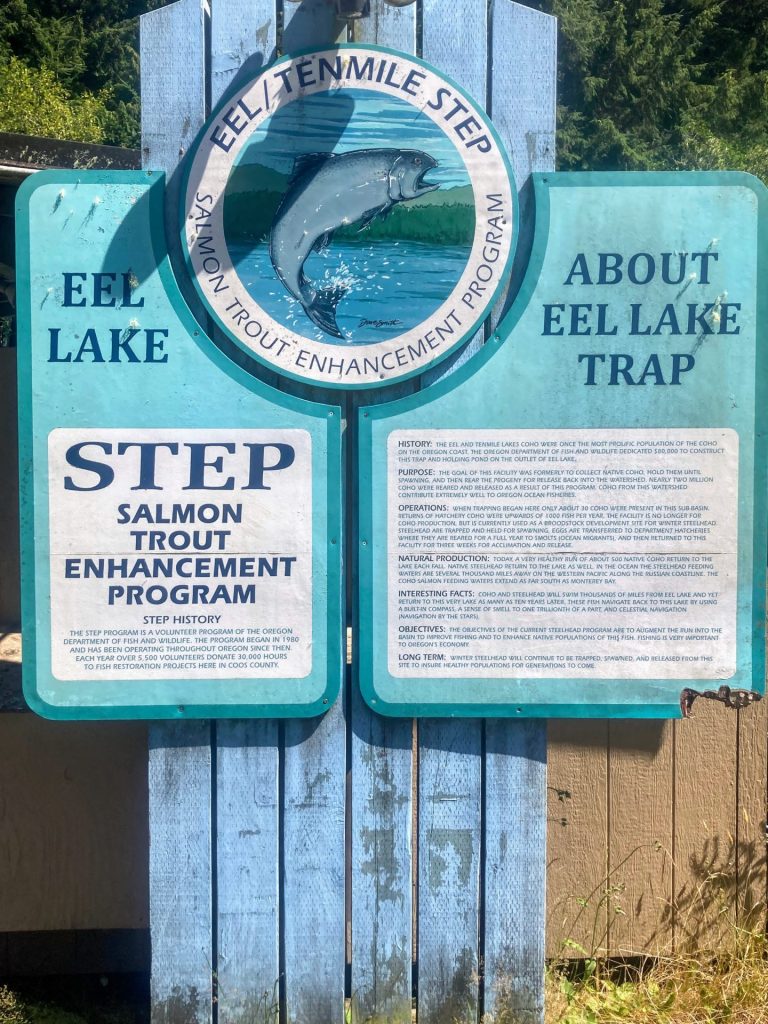
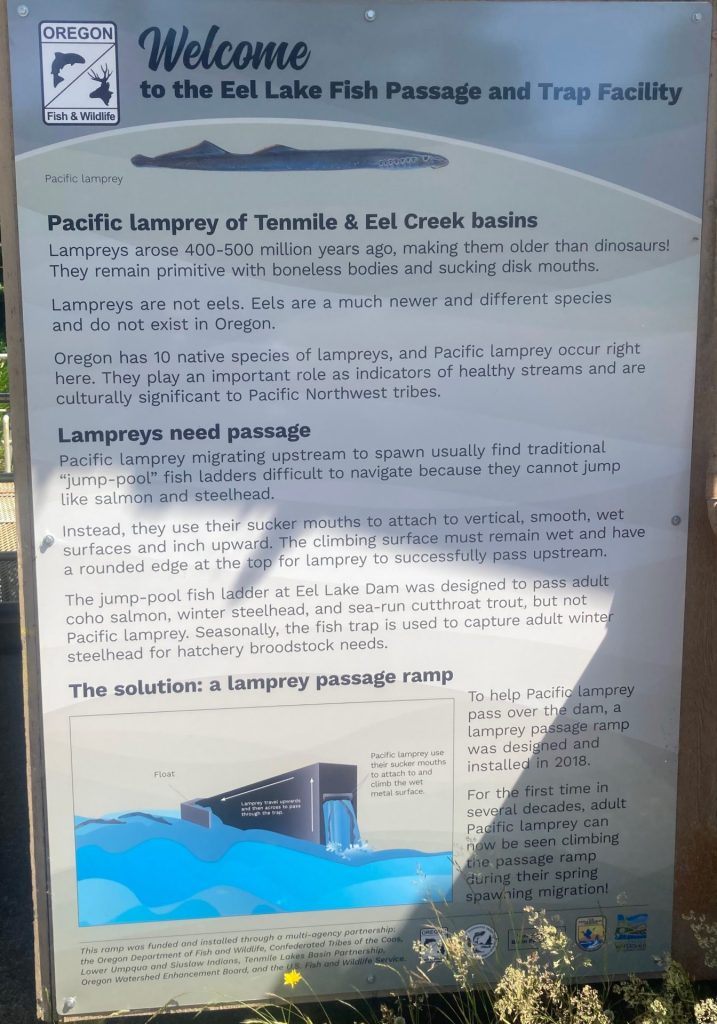
  • You won’t find any eels at Eel Lake. Apparently, eels are not found in Oregon but there are lamprey. You can learn more about the lamprey migration for spawning at the Eel Lake Trap structure at the day use area.
  • Winds pick up after noon, especially from the north in summertime.
  • There is a 10mph speed restriction at this lake

Paddle Route:

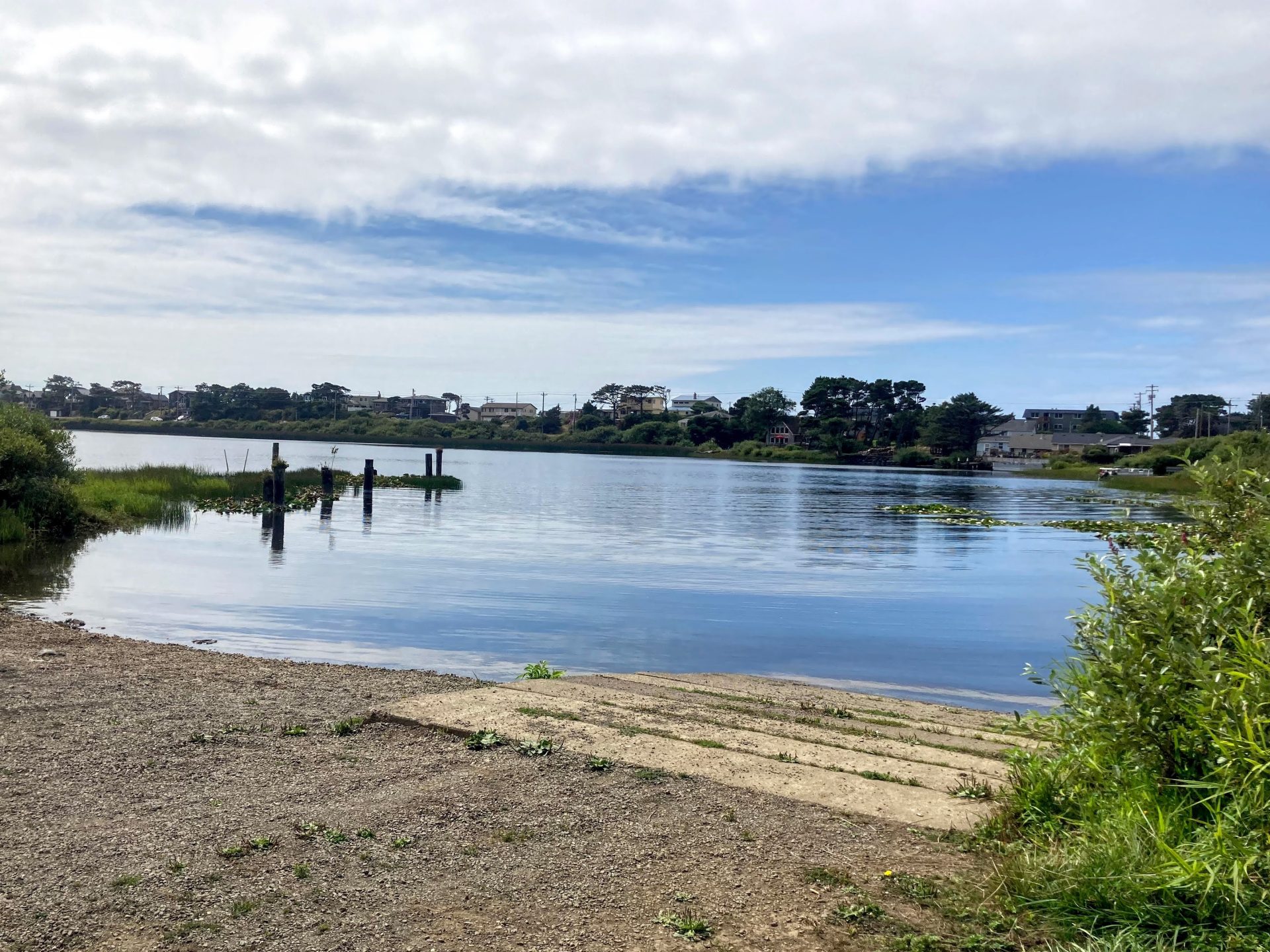
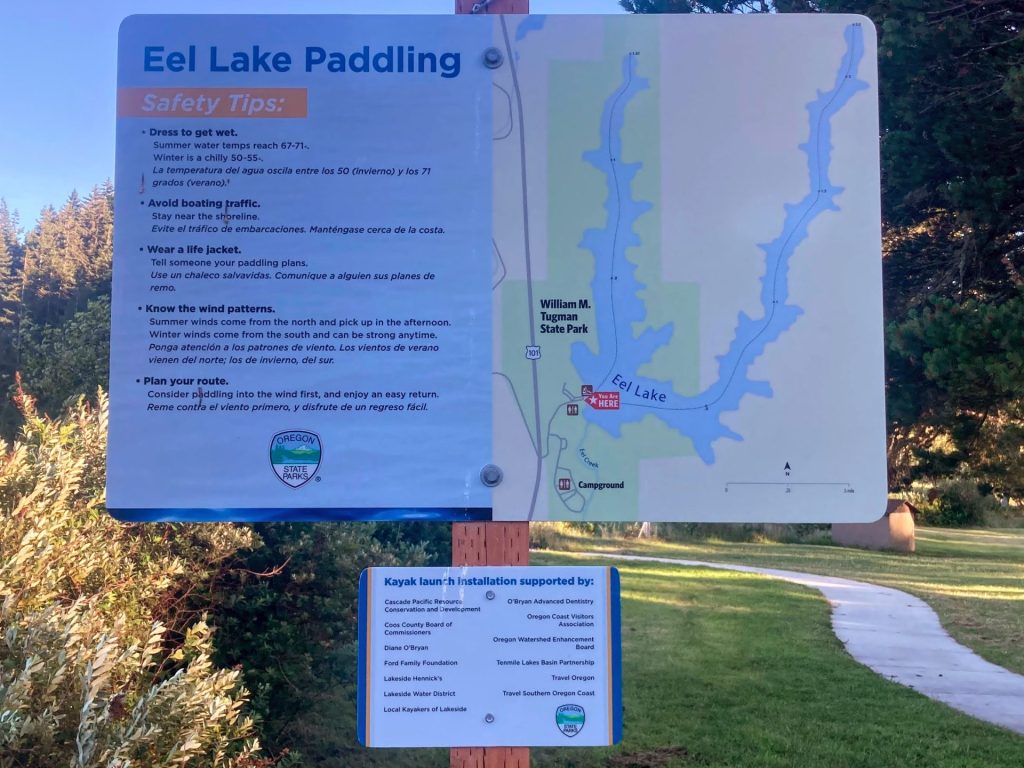
From the boat launch, head left to go up the shorter arm where you will see some old pilings remnants at the end. Or head right to go up the longer arm on the right. You will pass the small swimming and sandy beach area , then turn left(north) to continue up the arm.
Directions:

GPS coordinates for Eel Lake at Tugman State Park Day Use Area: 43.60398, -124.17691

Additional things to do:

  • Check out the fish ladder and special lamprey ramp at the Eel Lake Dam.
  • Hike or bike on the 3-mile length dirt trail- find the trailhead to the right (east) of the Eel Lake Trap structure.
  • Camp at Tugman State Park campground– there are sites for tents, RVs, and yurts; access the lake via a short walk or drive from the campground to the adjacent day use area.

Check before you go:

  • Maps and Suggested Routes: Download or print out a map before you go from the SWT Planner App. As a premium member, you can access an ever-growing library of paddling-related maps and suggested routes.
  • Water Temperature: Read the cold water safety page if you need more background info.
  • Prepare accordingly for the water temperature. According to the Oregon State Parks information, the water is typically 50F-55F in winter and 67-71F in summer.
  • Inspect your watercraft. You can help prevent the spread of aquatic invasive species by wiping off any vegetation or debris from your watercraft and making sure it is dry each time before entering a new waterway.
  • PFD, Whistle, and Waterway Access Permit: In Oregon, all paddlecraft 10′ or longer (including SUPs, kayaks, and canoes) require a permit. You can purchase the permit online.

Beware that the routes and information on this site are just general guides and the best path may vary based on water level, obstructions, experience level, equipment, and other conditions. Paddlers are responsible for providing their own safety. Super Water Trails does not assume any liability.

Coffenbury Lake at Fort Stevens

Skip ahead to check conditions

Coffenbury Lake is a natural dune lake located within Fort Stevens State Park in Warrenton where you can spend a day or a week here. Just within the state park, you can paddle at the lake, hike or ride your bike to a beach with a shipwreck, visit a historic military fort and battery, and play on a 23-hole disc golf course with beautiful views of the Columbia River. It’s a unique combination for sure, but it checks all the boxes.

Beginners and first-timers should feel comfortable paddling on this narrow lake where the shoreline is never far away and there is a 10mph speed limit. You will see mostly other kayaks, SUPs, and canoes at this lake. Also, this shallow lake does warm up in the summer for swimming.

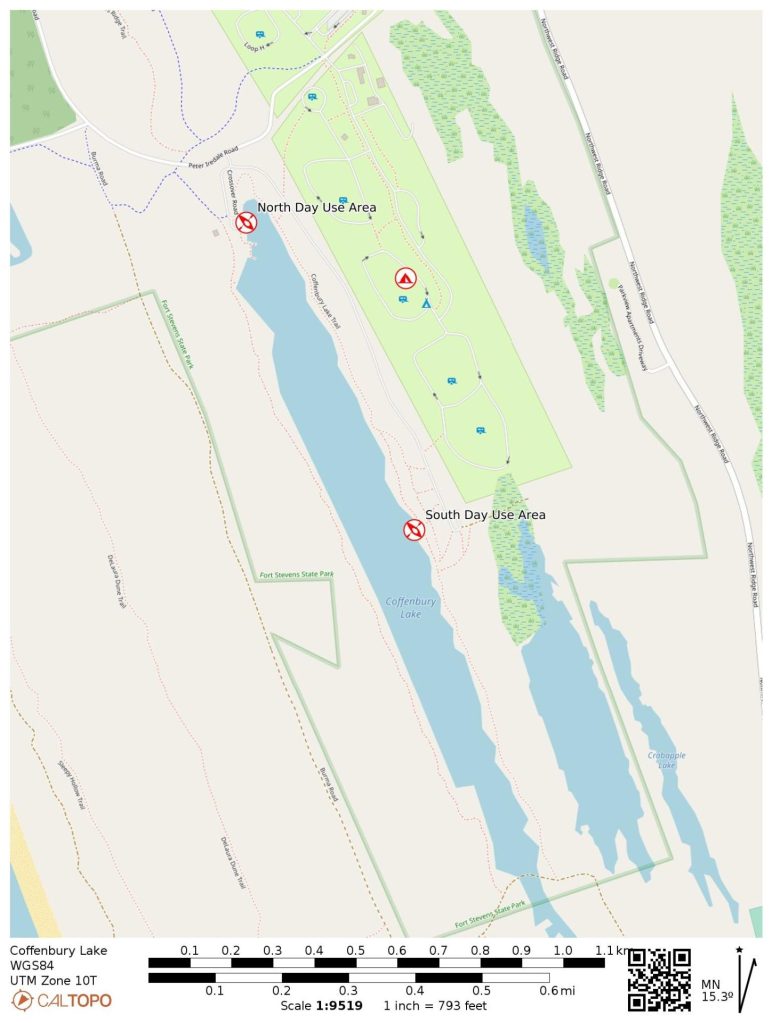
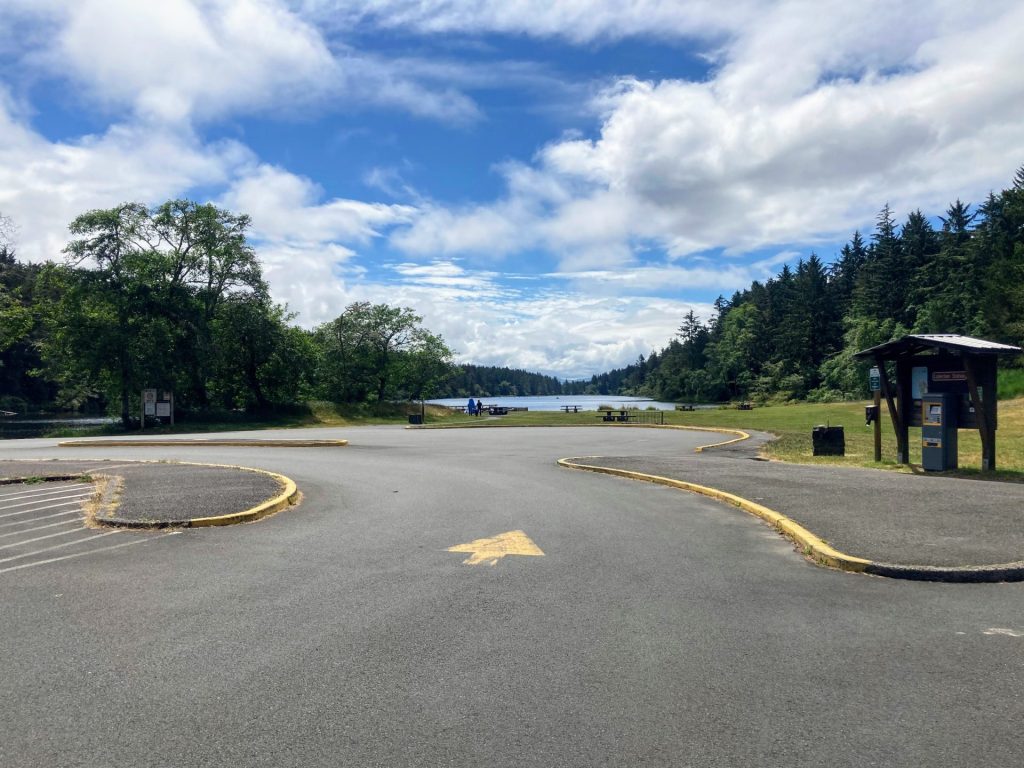
Coffenbury Lake has a North and South Day use area. Both have ample paved parking, boat ramp and dock and shoreline access to water. The South day use lot, however, has more picnic tables near the shore.

  • Length: ~2 miles
  • Paddle Time: <1 h*
  • Parking fee: day use fee at kiosk or Oregon State Parks pass or camping reservation
  • Launch: boat ramp, dock, shallow entry
  • Restroom: flush
  • Cell signal: fair

*Time is roughly based on leisurely paddling pace of 2.5mph. Wind, current, equipment, and paddler’s fitness and motivation can change this estimate.

Good to know:

  • Mosquitoes can be a nuisance here, with peak activity around June-July.
  • Open year-round

Directions:

Once you enter Fort Stevens State Park on Peter Iredale Road, pass the campgrounds, then turn left for Coffenbury Lake Day Use Area. Continue straight ahead for North Day Use Area or turn left to drive further down to South Day Use Area.

Additional things to do:

  • Seaside is just a 20-minute drive south and you can walk along the promenade, watch the bubble guy do his thing, visit the aquarium, paddle on the river trails, and eat at some good restaurants.
  • Reserve a site at Fort Stevens State Park campground for your next camping trip. As one of the nation’s largest campgrounds, there is enough to see and do for days. There are sites for RVs, tents, yurts, and even deluxe cabins.

Check before you go:

  • Maps and Suggested Routes: Download or print out a map before you go from the SWT Planner App. As a premium member, you can access an ever-growing library of paddling-related maps and suggested routes.
  • Mosquitoes– this site gives the schedule for mosquito control at Fort Stevens State Park.
  • Toxic algae blooms: This temporary condition occurs at some of the area lakes in the summer and may affect your health if water or fish is consumed during these conditions. Get more info on how to tell if algae is harmful and watch for water advisories but also use common sense if you see water that doesn’t look right.
  • Inspect your watercraft. You can help prevent the spread of aquatic invasive species by wiping off any vegetation or debris from your watercraft and making sure it is dry each time before entering a new waterway.
  • PFD, Whistle, and Waterway Access Permit: In Oregon, all paddlecraft 10′ or longer (including SUPs, kayaks, and canoes) require a permit. You can purchase the permit online.

Beware that the routes and information on this site are just general guides and the best path may vary based on water level, obstructions, experience level, equipment, and other conditions. Paddlers are responsible for providing their own safety. Super Water Trails does not assume any liability.
Lake Lytle

Skip ahead to check conditions

Lake Lytle is the largest of a string of small lakes along the Hwy 101 in Rockaway Beach that once formed a channel of the Nehalem River. The geologic history is similar to the sand dune lakes in Florence, such as Cleawox Lake or Woahink Lake.

What makes this a fun place to visit is that you can paddle through a little canal to access Crescent Lake, which is a smaller motorboat-free lake. This is a family-friendly paddle due to the small size, a motorboat-free section, and places to pull over if needed. It is sheltered from wind somewhat and the entire lake averages only about 5 ft. deep. Consider paddling at this lake if winds pick up elsewhere or the timing of the tides isn’t right for paddling at the Nehalem.

Good to know:

  • The cellular signal is average to poor here.
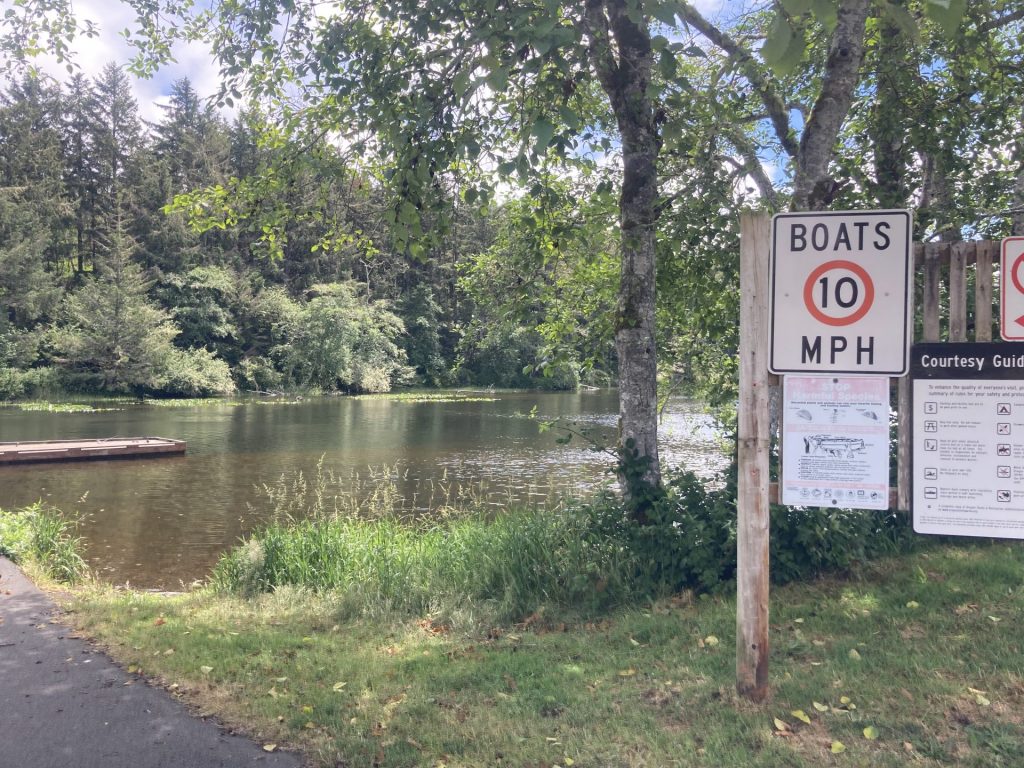
  • Although the main lake has no speed restrictions, you can paddle through a small channel into a smaller lake.

Driving Directions:

Parking:

The parking lot for the county boat ramp is on 12 th st.

Lake Lytle parking area
Parking lot Tillamook County boat ramp and vault toilet.

An alternate parking spot might be on the side of Highway 101 near the fishing dock.

More things to do:

  • Here are some ideas of things to do while you are visiting Rockaway Beach.

Check before you go:

  • Maps and Suggested Routes: Download or print out a map before you go from the SWT Planner App. As a premium member, you can access an ever-growing library of paddling-related maps and suggested routes.
  • Parking fee: the day use fee is $10 or purchase the Tillamook County Annual pass. This pass can also be used at other Tillamook County boat launches.
  • Weather: Check the weather forecast and pay attention to the wind.
  • Inspect your watercraft. You can help prevent the spread of aquatic invasive species by wiping off any vegetation or debris from your watercraft and making sure it is dry each time before entering a new waterway.
  • PFD, Whistle, and Waterway Access Permit: In Oregon, all paddlecraft 10′ or longer (including SUPs, kayaks, and canoes) require a permit. You can purchase the permit online.

Beware that the routes and information on this site are just general guides and the best path may vary based on water level, obstructions, experience level, equipment, and other conditions. Paddlers are responsible for providing their own safety. Super Water Trails does not assume any liability.
Cleawox Lake

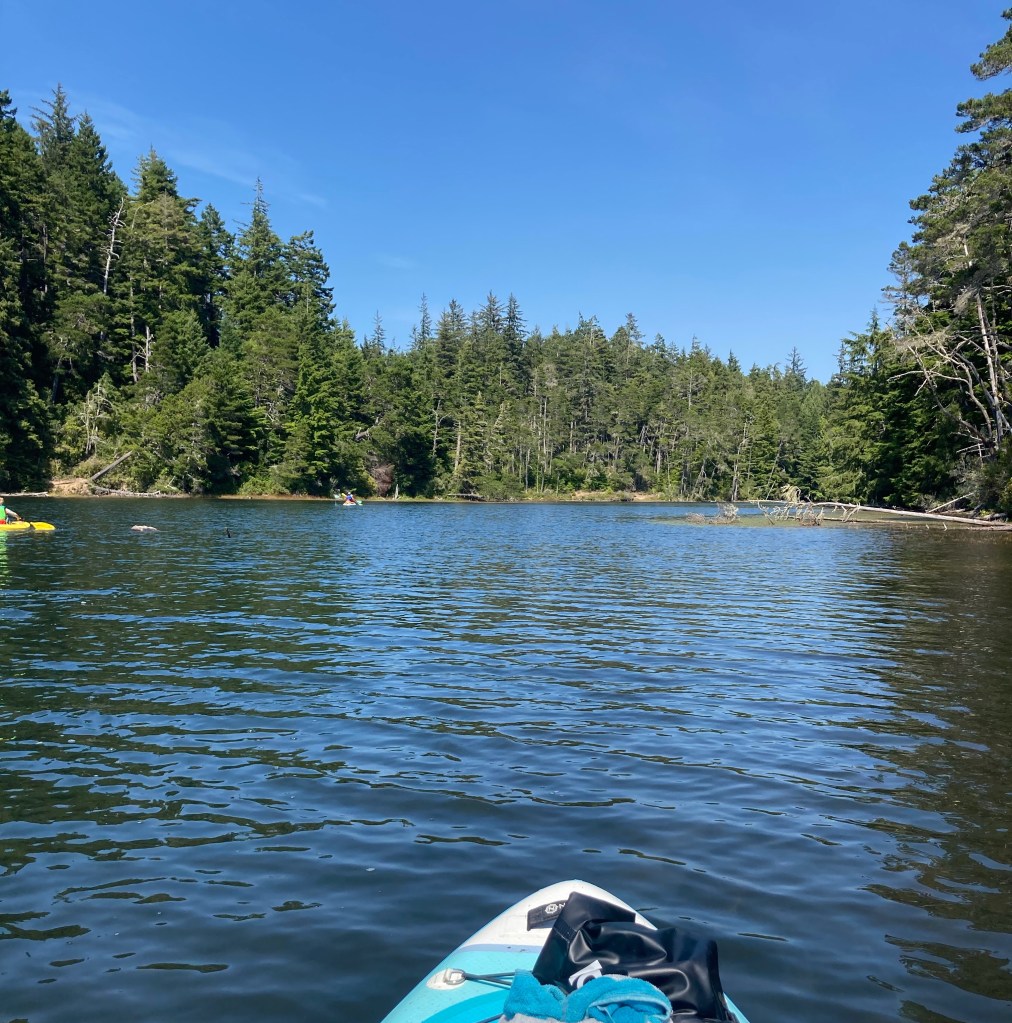
Cleawox Lake is a coastal dune lake just 4 miles south of Florence. You can spend an entire day at this 87-acre lake paddling, swimming, relaxing on the beach and of course, charging up that giant sand dune. This is a good coastal lake for first-timers and kids to practice in the wind-protected, shallow and warm waters by the beaches. Another plus, no high speed motorboats or water-skiers to avoid here.

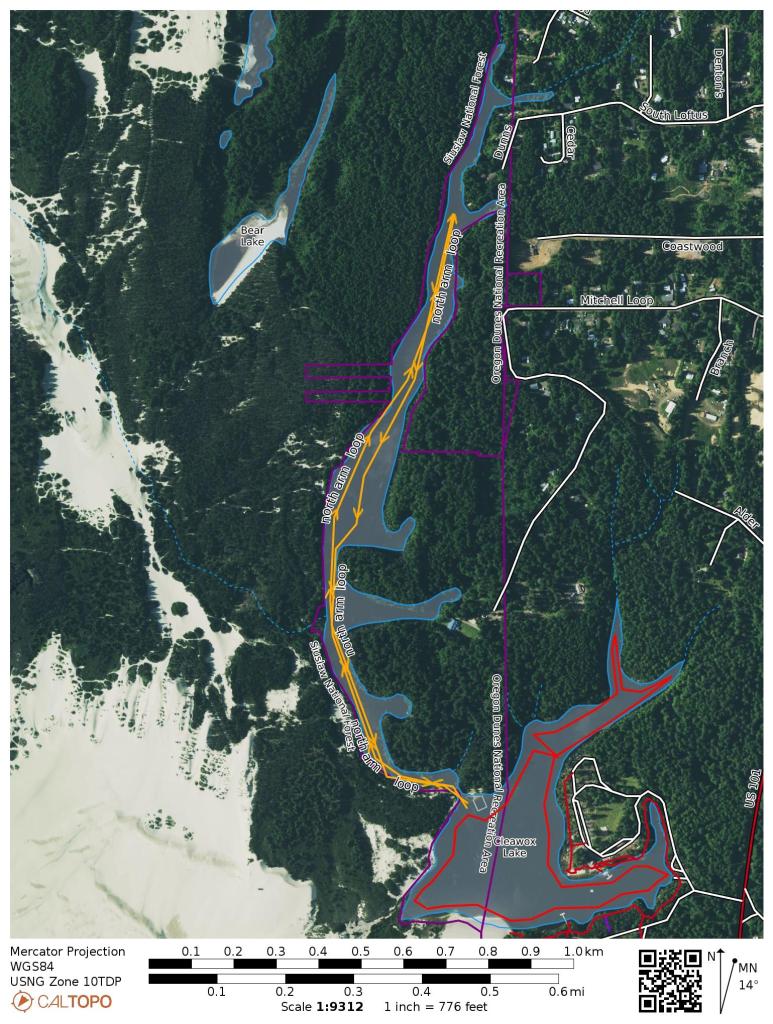
  • Length– ~1.7 mile main loop, 2+ mile out and back north arm
  • Fee – day use fee or Oregon State parks pass; or camp at Honeyman.
  • Restrooms– flush toilets
  • Cellular signal– excellent
  • When to go – open year-round
parking options

Directions: from Florence, take Hwy 101 south, make a right at Jesse Honeyman State Park (between MP 193 and MP 194). Then, either turn right for Cleawox Day Use area or left for Honeyman Day use area.

Parking: There are some options for parking depending on the amenities you want to be close to. Both day use areas require a day pass and have restroom facilities and swimming beach areas. Parking at Honeyman will get you closer to the sand dune while parking at Cleawox will be closer to the summer boat rentals and may be less crowded.

Cleawox Lake day use area launch

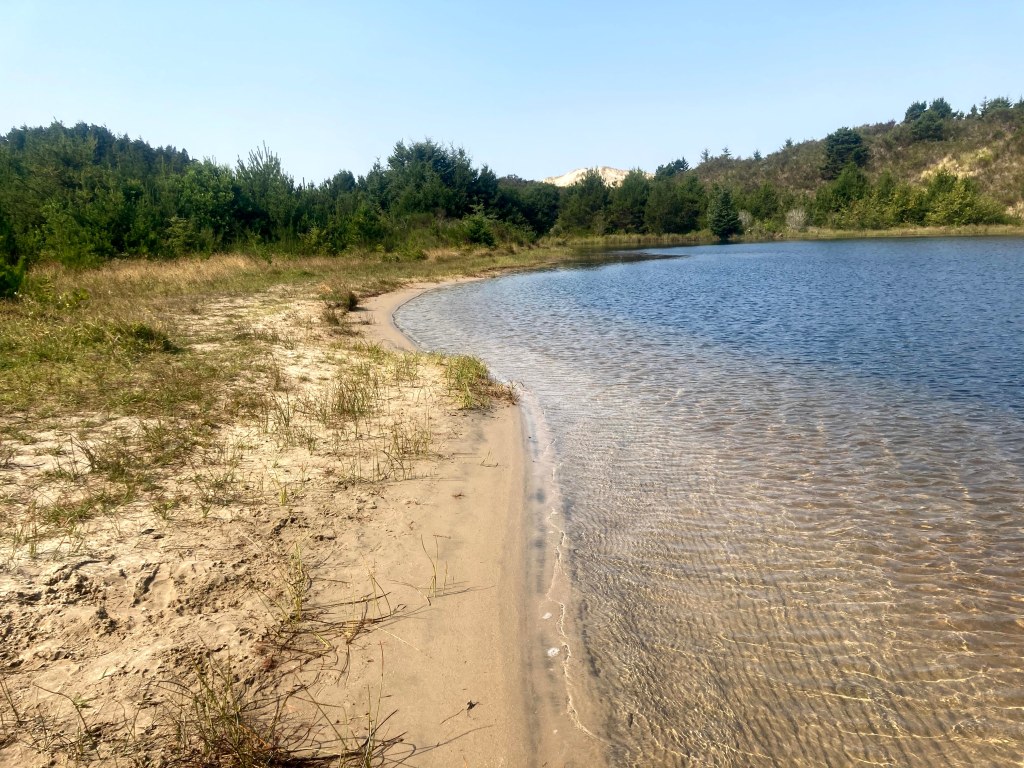
Aside from a few surface streams, most of the water comes into the lake via seepage. As such, the water quality is very good. The water temperature is about 70F in the summer and it is clear enough to view the fish darting around below.

Shallow beach area

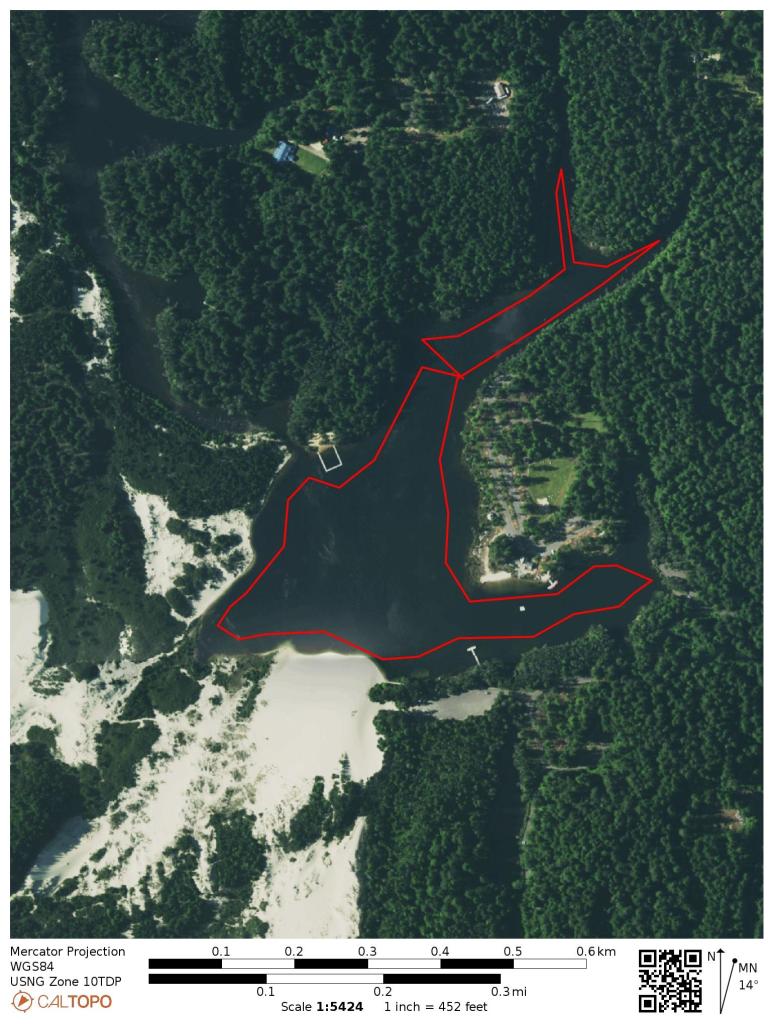
Paddling around the entire main area of the lake can take less than an hour but you can view the forested arms and wildlife on the northeast end in contrast to the sand dune and beaches on the south end.

main loop paddle ~1.7mi

For additional paddling and a quiet escape, locate the opening immediately to the left of the Girls Scouts camp area to enter the northern arm of the lake. The sand dune is encroaching on this inlet and you will need to paddle through the pondweeds and lily pads in order to reach deeper and clearer sections of this mile-long arm. Cellular phone reception appears to be limited in this arm.

Check before you go:

  • Watch for winds and wind gusts, which usually pick up in the afternoon. It is generally advised for beginners to paddle when winds are less than 10mph.

Download a map and track your paddle:

This is a geospatial-enabled PDF map of the paddle. You can use these special PDFs with the mobile app Avenza to follow the route or track your own paddle distances and times. Please note that the routes are just general guides. The best path may vary based on water level or new obstructions in the water.