
Skip ahead to check conditions
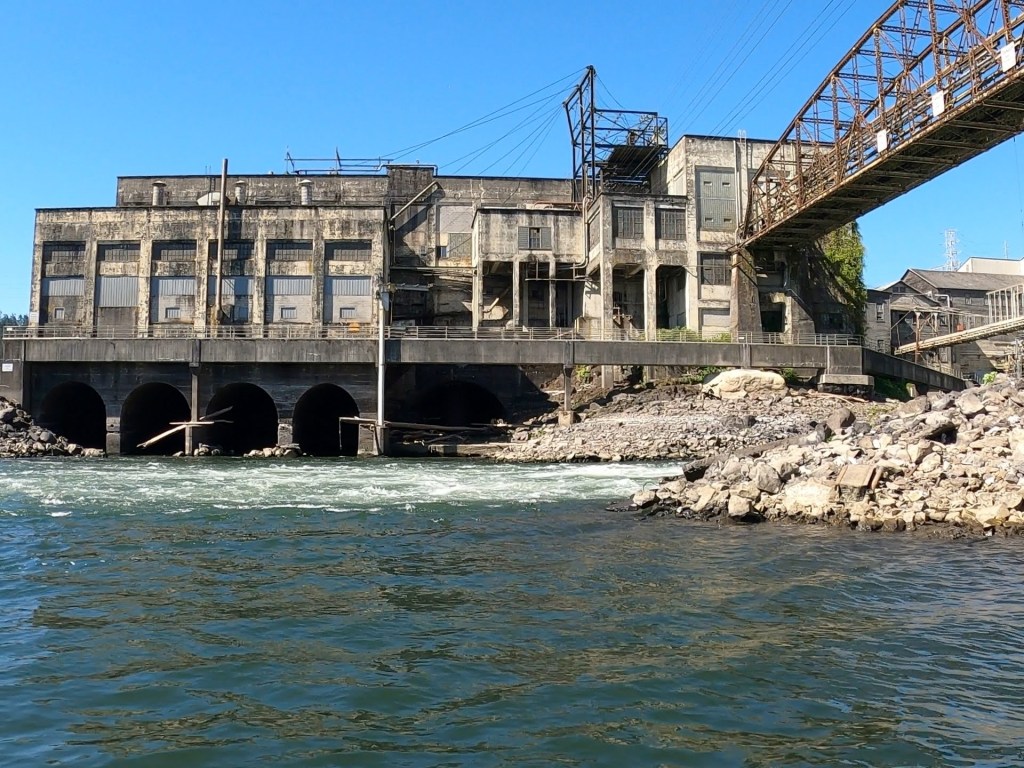
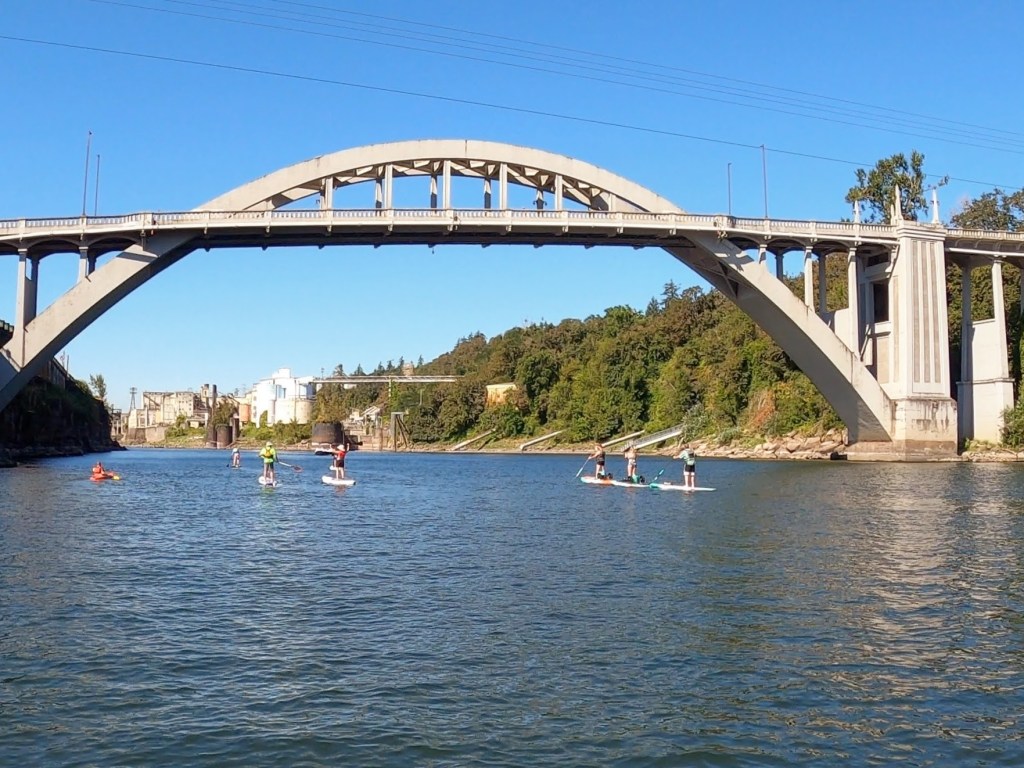
The Willamette Falls in Oregon City is actually the largest waterfall by volume in the Northwest and second only to the Niagara Falls in the United States. It has played an important role in the early development of Oregon, from providing the local tribes with fish and lamprey to harnessing its power for hydroelectricity and the operation of paper mills. Today, when you paddle along this section of the Willamette River you can get an idea of these myriad historic activities- with the canal and locks, the paper mills, and the power stations- juxtaposed with the natural beauty of this horshoe-shaped waterfall.
Good to Know:
- Best time to visit is June-Oct. Watch for higher water flows outside of these months.
- The cellular reception here is good or excellent
Launch Sites:
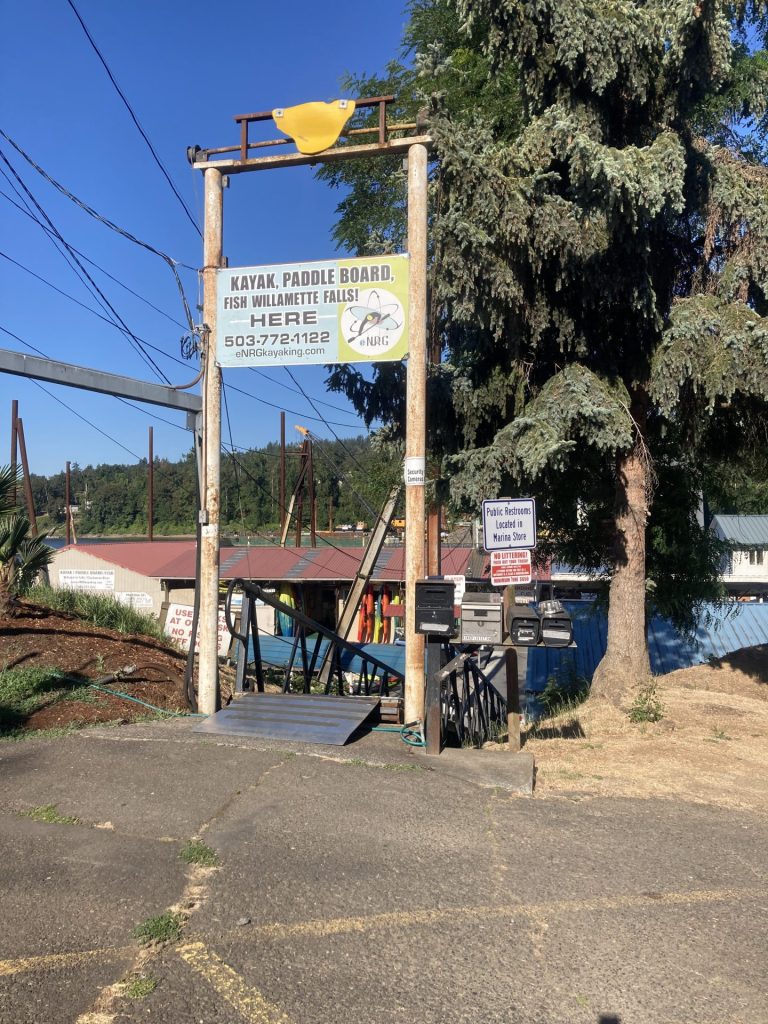
Sportcraft Landing/ eNRG Kayaking
- Parking fee: none
- Launch type: 2-lane boat ramp, dock
- Restrooms: on-site
- Open: year-round
- On-site rentals at eNRG Kayaking are available, if needed

Driving Directions:


Check before you go:
- Maps and Suggested Routes: Download or print out a map before you go from the SWT Planner App. As a premium member, you can access an ever-growing library of paddling-related maps and suggested routes.
- Weather: Check the weather forecast before you go.
[ventus width=”100%” height=”300px” radius=”10px” lat=”45.305″ lon=”-122.610″ zoom=”11″ layer=”wind” scale=”F” units=”mph” marker=”true” forecast=”true” time=”now].
- Water Temperature: Read the cold water safety page if you need more background info.
- Water levels:
- Inspect your watercraft. You can help prevent the spread of aquatic invasive species by wiping off any vegetation or debris from your watercraft and making sure it is dry each time before entering a new waterway.
- PFD, Whistle, and Waterway Access Permit: In Oregon, all paddlecraft 10′ or longer (including SUPs, kayaks, and canoes) require a permit. You can purchase the permit online.
Beware that the routes and information on this site are just general guides and the best path may vary based on water level, obstructions, experience level, equipment, and other conditions. Paddlers are responsible for providing their own safety. Super Water Trails does not assume any liability.
 Oregon Paddling