Skip ahead to check conditions
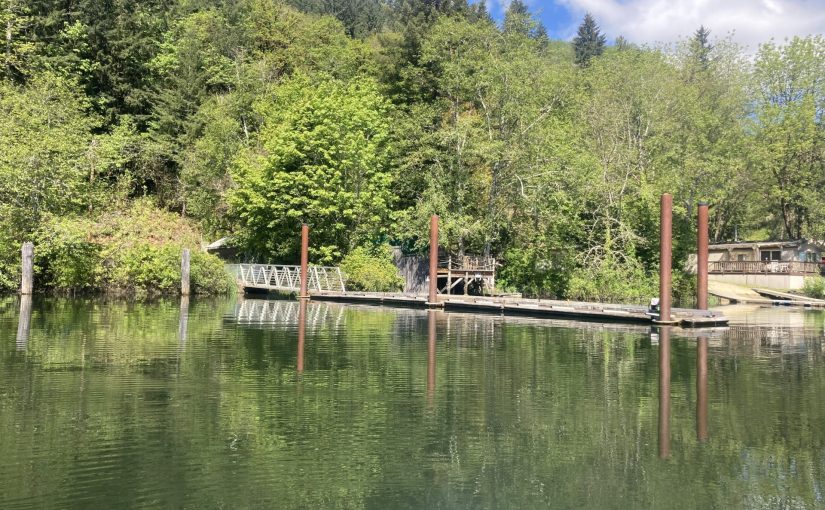
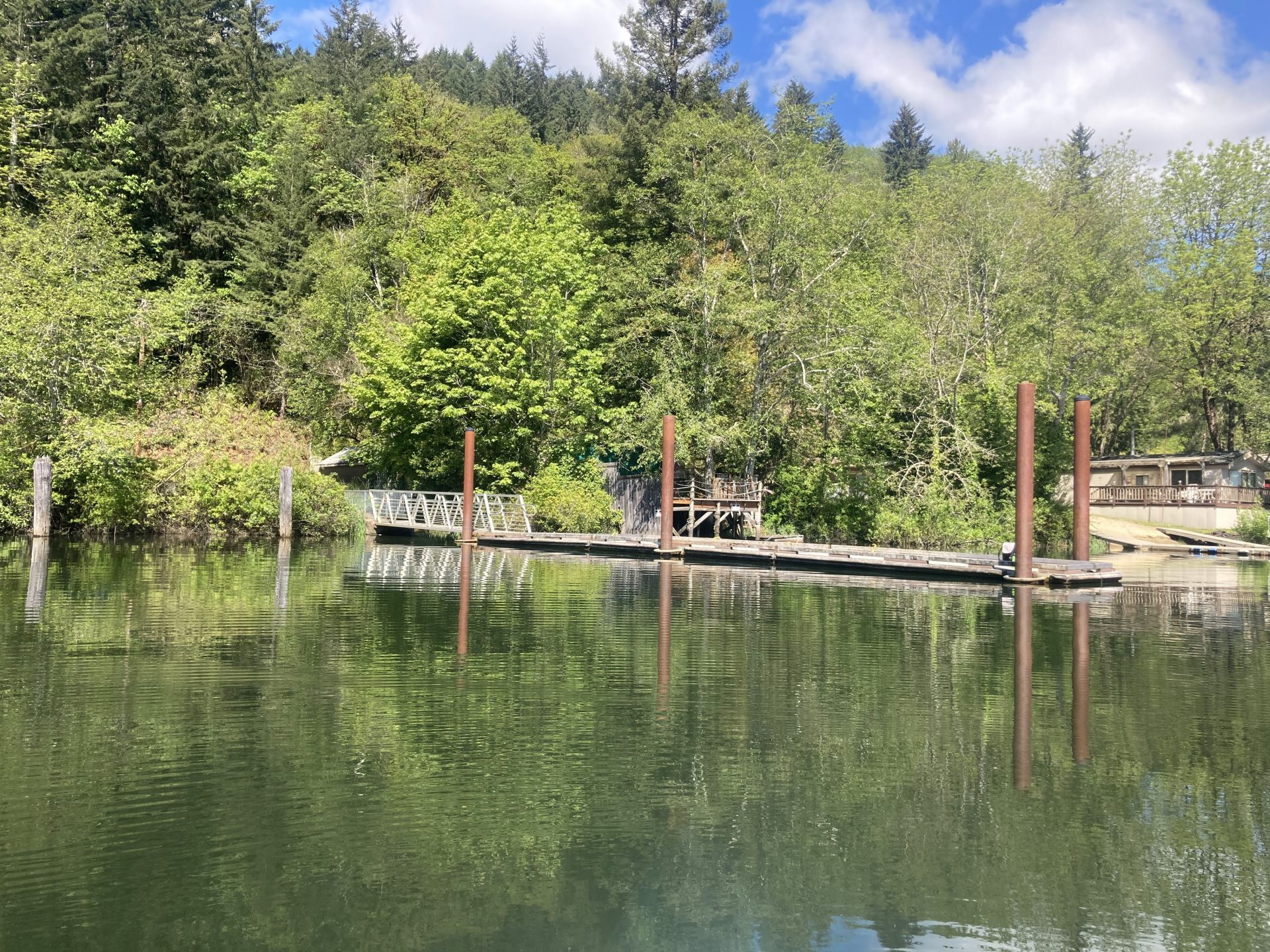
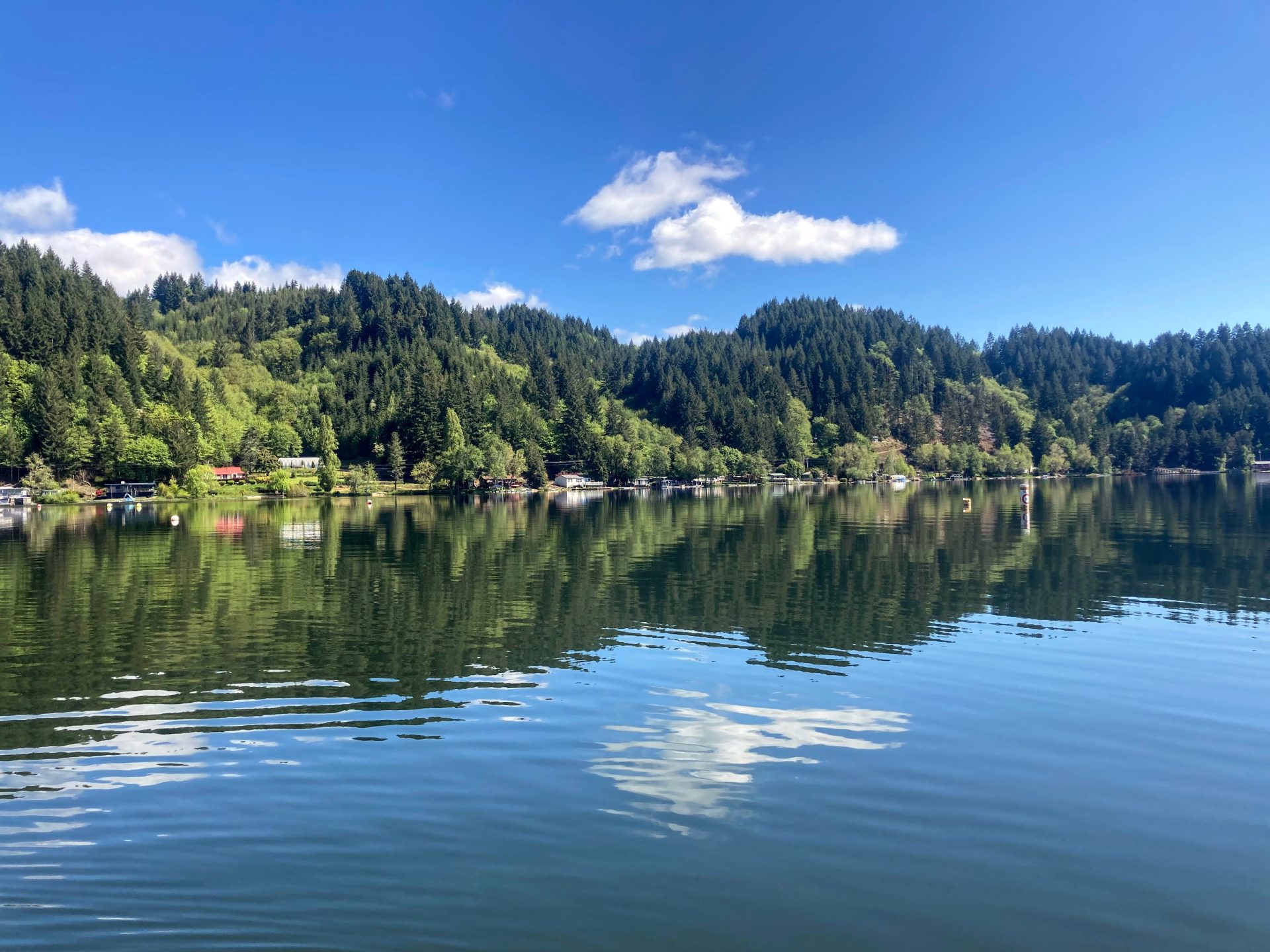
Triangle Lake is a 293-acre natural lake in the Coast Range that sits at just less than 700 ft elevation. In contrast to the lakes of the Cascades Range which were formed from volcanic activity, Triangle Lake was likely formed from a landslide of the steep sandstone walls which impounded the existing streamflow. Loon Lake near Reedsport, OR was likely formed in a similar fashion.
This is a busy place in the summertime, where motorboats and water-skiers buzz around producing wake that reverberates off the triangular shaped boundaries of the lake. Paddlers may have opportunities to enjoy quieter paddles, however, in the mornings and outside of the prime season.
Good to know:
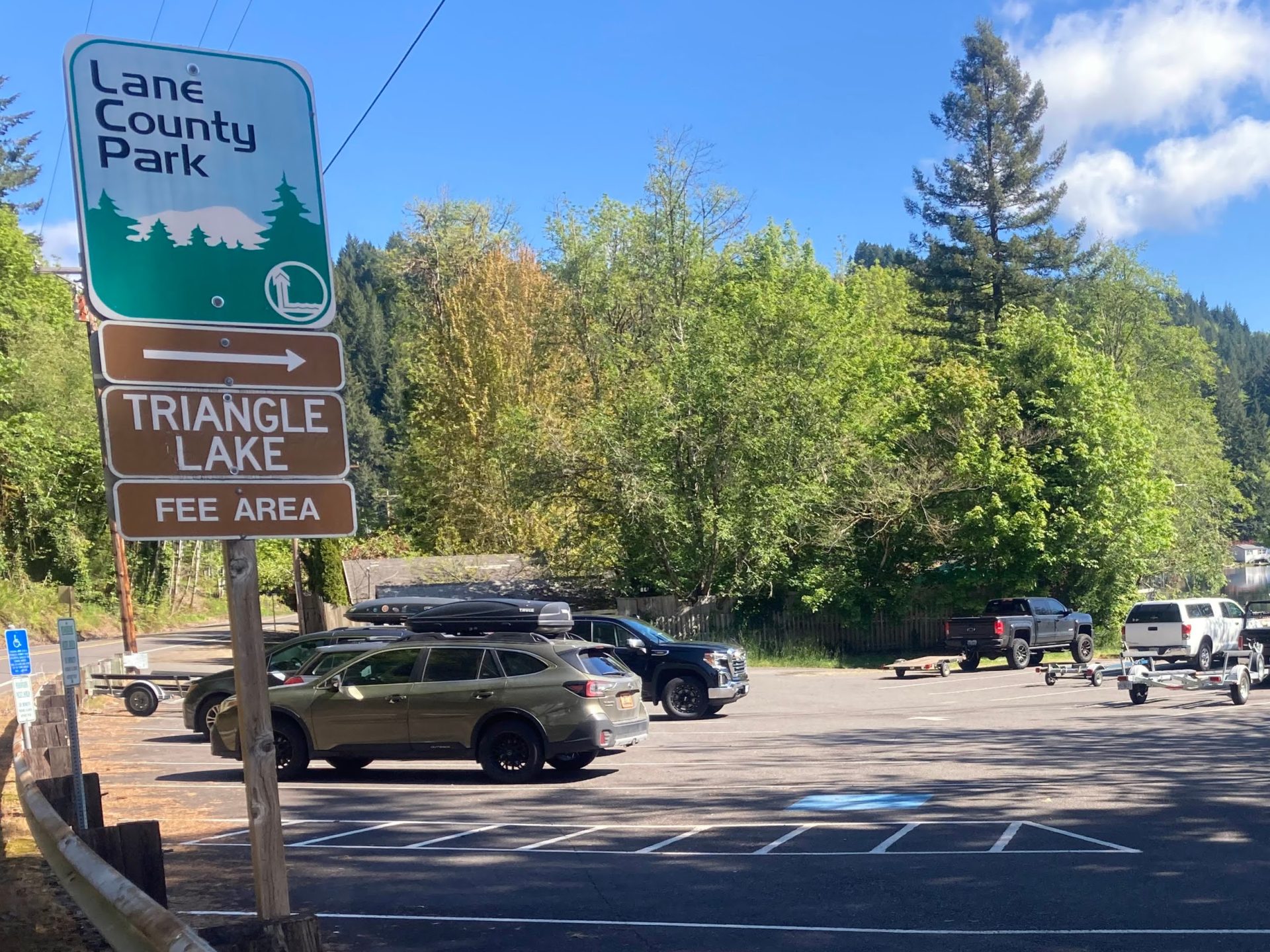
- The parking lot has about 16 spaces, most are large trailer spaces.
- Available year-round.
- The water at Triangle Lake warms up earlier than the lakes on the east side of Willamette Valley.
- The cellular signal was poor here.
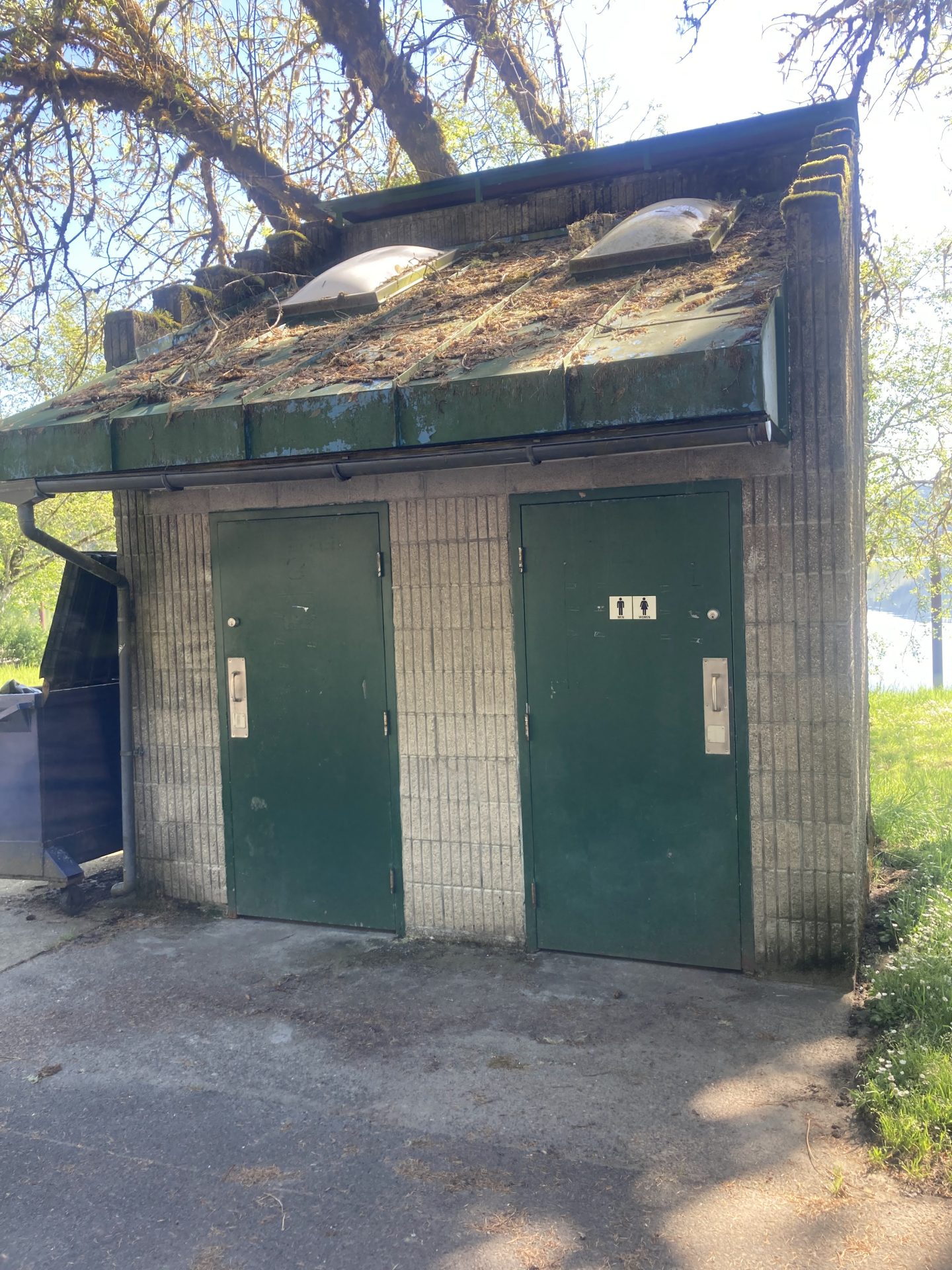
- Vault restrooms are available.
Driving Directions:
Please note that this is not the Triangle Lake in Mt. Hood National Forest.
Check Before you go:
- Maps and Suggested Routes: Download or print out a map before you go from the SWT Planner App. As a premium member, you can access an ever-growing library of paddling-related maps and suggested routes.
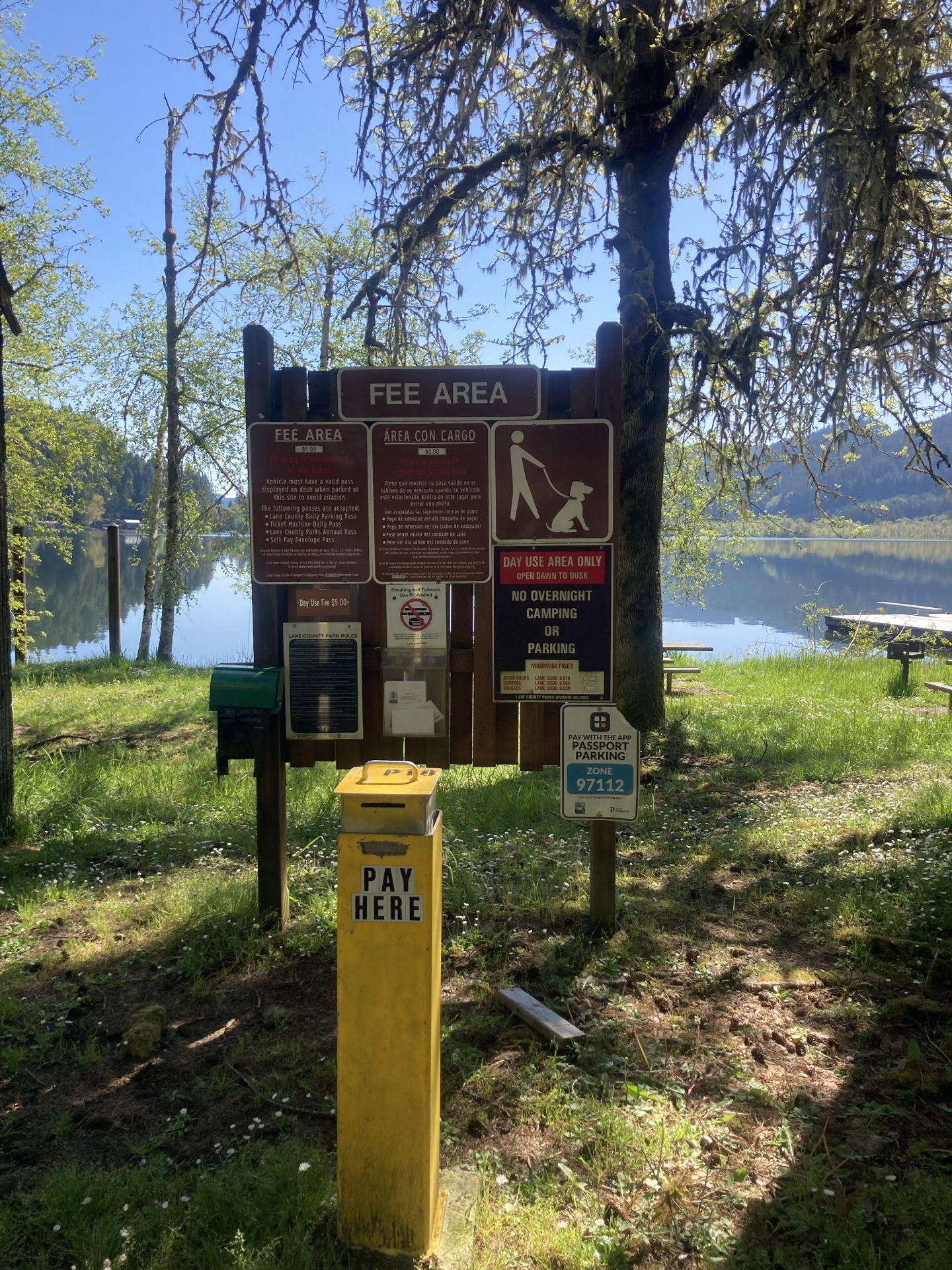
- Parking: Purchase your day use pass or annual pass before you go at the Lane County parks website . The cellular signal is very poor at this location, so you may not be able to pay online when you get there. There is a cash pay option though.
- Weather: Check the weather forecast and pay attention to the wind predictions.
- Toxic algae blooms: This temporary condition occurs at some of the area lakes in the summer and may affect your health if water or fish is consumed during these conditions. Get more info on how to tell if algae is harmful and watch for water advisories but also use common sense if you see water that doesn’t look right.
- Inspect your watercraft. You can help prevent the spread of aquatic invasive species by wiping off any vegetation or debris from your watercraft and making sure it is dry each time before entering a new waterway.
- PFD, Whistle, and Waterway Access Permit: In Oregon, all paddlecraft 10′ or longer (including SUPs, kayaks, and canoes) require a permit. You can purchase the permit online.
Beware that the routes and information on this site are just general guides and the best path may vary based on water level, obstructions, experience level, equipment, and other conditions. Paddlers are responsible for providing their own safety. Super Water Trails does not assume any liability.
 Oregon Paddling